Essential Cultural Taboos: What’s Considered Disrespectful in Bali
Bali’s rich cultural landscape demands profound respect from visitors. Understanding local customs isn’t just about avoiding offense, it’s about demonstrating genuine appreciation for Balinese spiritual and social traditions that have been carefully preserved for generations.
Sacred Body Parts and Gestures to Avoid
The human body carries deep spiritual significance in Balinese culture, making certain physical interactions critically important to navigate with extreme care. The head, considered the most sacred part of the body, should never be touched, not even playfully or affectionately.
- Head Touching Taboo: Balinese believe the head contains a person’s spiritual essence. This means:
- Never pat children’s heads, even with good intentions
- Avoid ruffling hair or making physical contact above the shoulders
- Understand this rule applies to everyone, from strangers to close friends
- Foot and Pointing Etiquette: Feet are considered the least sacred and potentially most offensive body part.
- Never point your feet directly toward people or sacred objects
- When sitting, tuck feet underneath or to the side
- Avoid pointing with your index finger, which is considered aggressive
- Instead, use an open palm when gesturing or indicating something
💡 Pro Tip: If you accidentally breach these unspoken rules, a sincere and humble apology can help mitigate potential cultural misunderstandings.
Religious Respect and Sacred Spaces
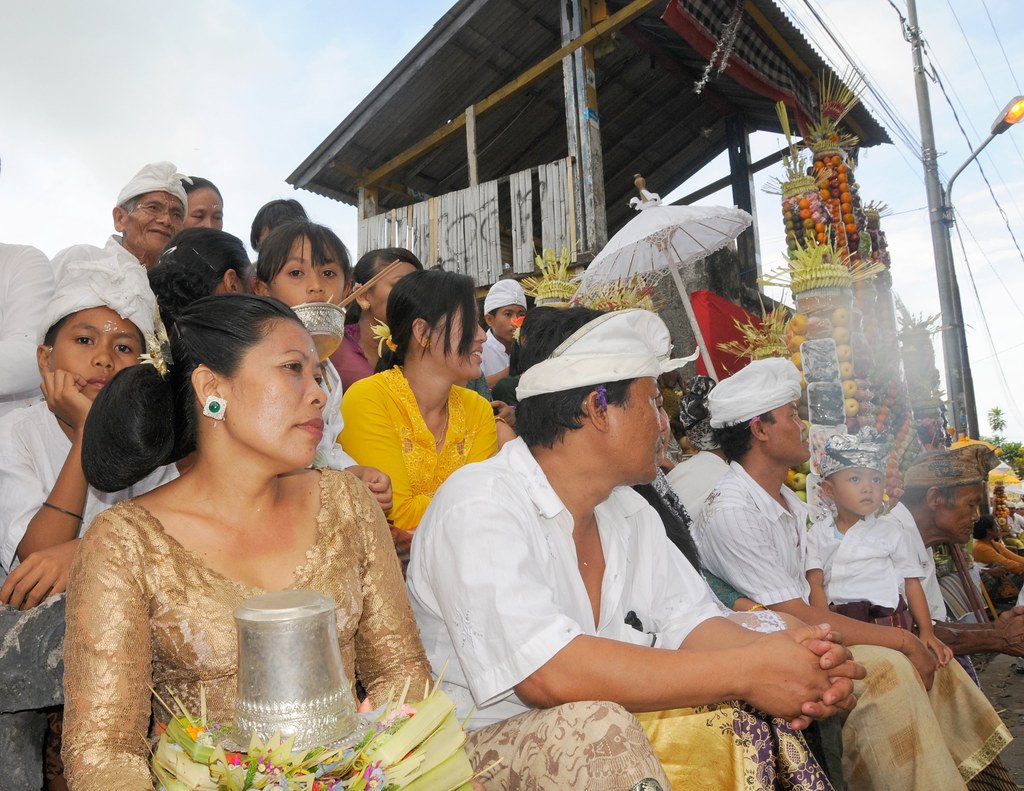
Bali’s spiritual landscape is intricate and requires visitors to demonstrate profound reverence, especially in religious contexts. Temples and ceremonial spaces are not tourist attractions, they’re living, breathing spiritual centers.

- Temple Entry Protocol:
- Always remove shoes before entering temples and traditional homes
- Wear modest clothing that covers shoulders and knees
- Women experiencing menstruation should not enter sacred spaces
- Carry or wear a traditional sarong and sash when visiting temples like Uluwatu or Besakih
- Ceremonial Interactions:
- Never sit higher than a priest during religious ceremonies
- Ask permission before photographing rituals
- Do not climb on temple structures for photos
- Maintain a respectful distance during religious proceedings
💡 Pro Tip: Consider hiring a local guide who can help you navigate complex cultural nuances and provide context for spiritual practices.
By embracing these cultural guidelines, you’ll transform from a typical tourist to a respected guest, opening doors to deeper, more meaningful interactions with Balinese communities.
Frequently Asked Questions
Q: What is considered disrespectful in Bali?
A: In Bali, several actions are considered disrespectful and can offend local customs. Touching someone’s head, as it’s considered sacred, is strictly taboo. Displaying public affection, wearing revealing clothing at religious sites, and pointing your feet towards people or religious objects are viewed as highly inappropriate. Always dress modestly, especially when visiting temples, and show respect for local spiritual practices.
Q: What should you beware of in Bali?
A: Travelers to Bali should be cautious about several potential risks. Be wary of petty theft in crowded tourist areas, and always secure your belongings. Be careful with street food and drinking water to avoid potential stomach issues. Additionally, be mindful of traffic, as road conditions can be challenging, and scooter accidents are common. Always use reputable transportation and be alert in unfamiliar environments.
Q: What are the unspoken rules in Bali?
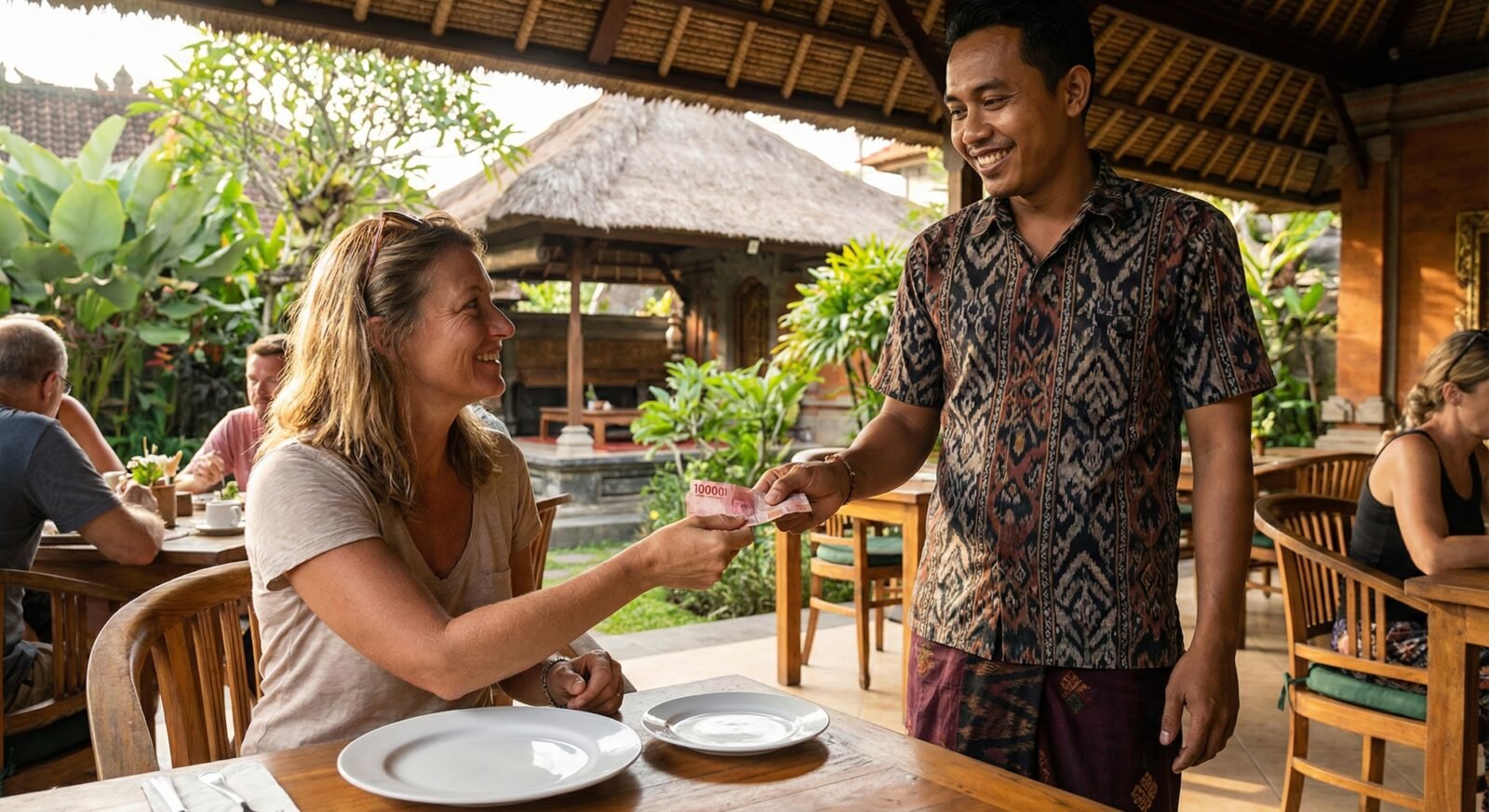
A: Bali has numerous unspoken cultural rules that visitors should understand. Always use your right hand for giving or receiving items, as the left hand is considered unclean. When entering temples or traditional homes, wear a sarong and sash, and remove your shoes. Show respect during ceremonial processions by standing aside and not interrupting. Avoid raising your voice or showing anger in public, as Balinese culture values calm and harmony.
Q: What does a black bag in Bali mean?
A: In Balinese culture, a black bag can have significant ceremonial implications. During religious ceremonies, black bags are often used to carry offerings or sacred items. In some traditional contexts, a black bag might signify mourning or be part of a specific ritual process. However, the exact meaning can vary depending on the specific ceremony and local community traditions.