Understanding Languages Spoken in Bali
If you’re traveling to Bali in 2025, you’ll want to know that while Bahasa Indonesia is the primary language, your communication strategy will vary dramatically across different regions. English proficiency and local language usage can significantly impact your travel experience, from negotiating prices to connecting with locals.
Bahasa Indonesia vs Balinese: What Language Should You Learn?
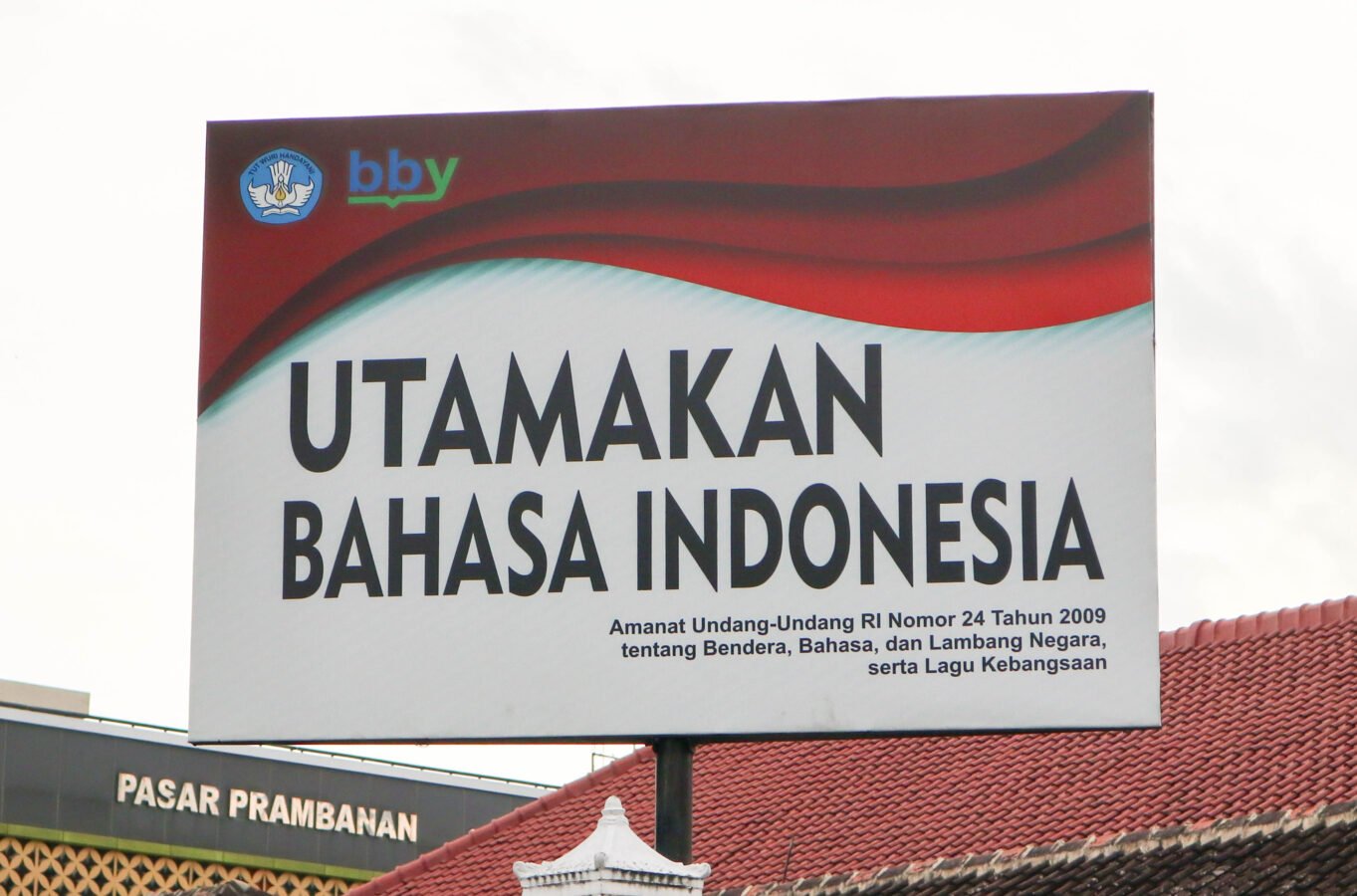
Bahasa Indonesia stands as the national language, spoken by over 270 million people across the Indonesian archipelago. Unlike many travelers’ assumptions, you don’t need to learn the complex Balinese language – Indonesian will serve you far more practically during your journey.
Language Breakdown:
- Bahasa Indonesia: The universal communication tool across all Indonesian regions.
- Balinese: A local dialect with intricate linguistic nuances, primarily used in traditional settings.
- English: Varies significantly by location, from 70% proficiency in tourist zones to just 30% in rural areas.
💡 Pro Tip: Focus on learning basic Indonesian phrases. Even simple greetings like “Terima kasih” (thank you) can open doors and show respect.
The practical traveler should prioritize Indonesian for several compelling reasons:
- Wider geographical applicability beyond Bali
- Easier grammatical structure compared to Balinese
- Greater likelihood of meaningful communication in markets, transportation, and local interactions
Language Usage Across Different Bali Regions
Your language experience will dramatically differ depending on your location. In tourist hotspots like Seminyak, Canggu, and Ubud, English flows relatively easily. Restaurant menus, tour guides, and hotel staff typically communicate comfortably in English.
However, venture into local markets or traditional villages, and your Indonesian skills become invaluable. Interestingly, language proficiency can translate directly into financial benefits – travelers who communicate in Indonesian often negotiate 15-30% better prices compared to those relying solely on English.
| Location | English Proficiency | Recommended Language Strategy |
|---|---|---|
| Tourist Areas (Seminyak, Ubud) | 70% | Basic Indonesian phrases, comfortable English use |
| Rural Villages | 30% | Strong Indonesian language skills essential |
Recommended Pre-Trip Language Preparation:
- Download language learning apps like Duolingo or Babbel
- Learn 20-30 basic Indonesian conversational phrases
- Carry a pocket translation dictionary or offline translation app
- Practice pronunciation with native speakers online
By investing a few hours in language preparation, you’ll transform your Bali experience from a typical tourist journey to an immersive cultural exploration.
50 common Bahasa Indonesia phrases and their English meaning
| Bahasa Indonesia | English |
|---|---|
| Halo | Hello |
| Terima kasih | Thank you |
| Sama-sama | You’re welcome |
| Tolong | Please / Help |
| Maaf | Sorry |
| Ya | Yes |
| Tidak | No |
| Selamat pagi | Good morning |
| Selamat siang | Good afternoon |
| Selamat malam | Good evening |
| Apa kabar? | How are you? |
| Baik | Good / Fine |
| Nama saya… | My name is… |
| Dari mana Anda? | Where are you from? |
| Saya dari… | I am from… |
| Berapa harganya? | How much is this? |
| Mahal | Expensive |
| Murah | Cheap |
| Bisa bayar pakai kartu? | Can I pay by card? |
| Di mana toilet? | Where is the toilet? |
| Di mana hotel? | Where is the hotel? |
| Di mana bandara? | Where is the airport? |
| Saya tidak mengerti | I don’t understand |
| Bisa ulangi? | Can you repeat? |
| Pelan-pelan | Slowly |
| Sedikit | A little |
| Banyak | A lot |
| Tunggu sebentar | Wait a moment |
| Ayo | Let’s go |
| Masuk | Enter |
| Keluar | Exit |
| Buka | Open |
| Tutup | Closed |
| Kiri | Left |
| Kanan | Right |
| Lurus | Straight |
| Saya mau ini | I want this |
| Saya mau makan | I want to eat |
| Enak | Delicious |
| Air | Water |
| Minum | Drink |
| Makan | Eat |
| Lapar | Hungry |
| Haus | Thirsty |
| Sakit | Sick |
| Tolong bantu saya | Please help me |
| Panggil dokter | Call a doctor |
| Hati-hati | Be careful |
| Sampai jumpa | See you |
| Selamat tinggal | Goodbye |
Frequently Asked Questions about Language in Bali
Q: How do you say common phrases in Bali?
A: In Bali, people primarily speak Bahasa Indonesia, with local Balinese being the traditional language. Some essential common phrases include ‘Terima kasih’ (thank you), ‘Selamat pagi’ (good morning), and ‘Permisi’ (excuse me). Learning these basic phrases will help you communicate respectfully with locals and show cultural appreciation during your visit. Balinese people are generally warm and appreciate tourists who make an effort to speak their language.
Q: Can you say namaste in Bali?
A: While ‘Namaste’ is a traditional greeting in India, in Bali, locals typically use different greetings like ‘Selamat’ or ‘Om Swastiastu‘. The latter is a traditional Balinese Hindu greeting that means ‘may peace be with you’. Namaste is not commonly used in Balinese culture, so it’s best to learn local greetings to show respect and cultural understanding.
Q: What language to learn if going to Bali?
A: If you’re traveling to Bali, learning Bahasa Indonesia is the most practical choice. This is the national language spoken throughout Indonesia and will be understood everywhere on the island. While some locals also speak Balinese, the regional language, Bahasa Indonesia will be more universally useful for communication with people from different parts of Bali and Indonesia.
Q: What does pagi mean in Bali?
A: ‘Pagi’ in Bahasa Indonesia means ‘morning’. It’s commonly used in the greeting ‘Selamat pagi’, which translates to ‘good morning’. This phrase is a polite and standard way to greet people in the early hours in Bali and throughout Indonesia. Understanding and using this term can help you connect more effectively with local residents and show basic language respect.