Is Tap Water in Bali Safe to Drink?
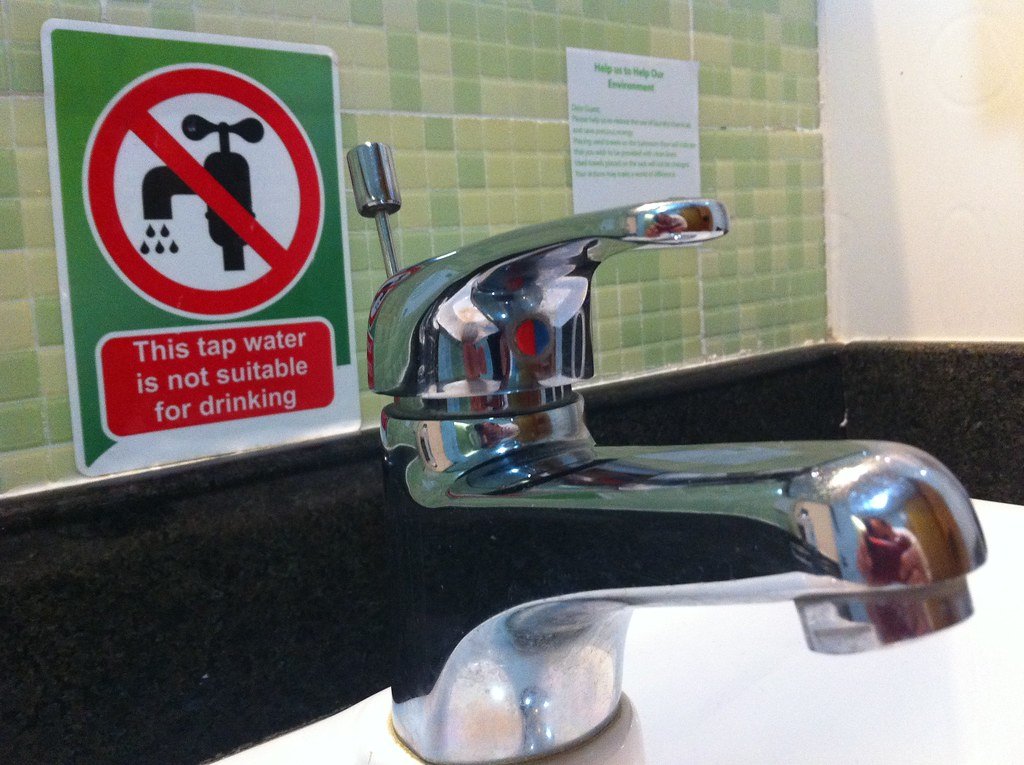
No, tap water in Bali is not safe for tourists to drink directly. Visitors should absolutely avoid consuming unfiltered tap water to prevent serious health risks. While locals have developed some immunity, international travelers remain vulnerable to local waterborne bacteria and parasites.
Why Bali’s Tap Water Isn’t Tourist-Safe
Bali’s water infrastructure presents significant challenges for safe drinking water, particularly in rural and developing regions. The municipal water systems suffer from multiple critical limitations that make tap water unsafe for international visitors.
Local water treatment facilities often struggle with comprehensive filtration processes. Unlike advanced water treatment plants in developed countries, Balinese municipal systems cannot consistently eliminate all harmful microorganisms. The region’s aging infrastructure means water pipes are frequently contaminated, with potential bacterial and parasitic infiltration occurring between treatment and consumption points.
Locals have generationally developed partial immune responses to endemic microbes, allowing them to tolerate water that would cause severe illness in tourists. This biological adaptation means what’s acceptable for a Balinese resident could trigger serious gastrointestinal issues for an international traveler.
💡 Pro Tip: Always assume tap water is unsafe and stick to sealed bottled water or properly boiled/filtered water sources.
Health Risks for Travelers
“Bali Belly” represents the most common waterborne health threat for international visitors. This colloquial term describes a range of gastrointestinal illnesses caused by consuming contaminated water or food.
Typical waterborne bacteria like E. coli, Giardia, and Cryptosporidium can cause rapid and intense symptoms, including:
- Severe Diarrhea: Often within 12-48 hours of exposure
- Intense Abdominal Cramping
- Potential Fever
- Rapid Dehydration Risk
Symptom progression typically follows this timeline:
- 12-24 hours: Initial bacterial exposure
- 24-48 hours: Primary symptom onset
- 3-5 days: Peak illness intensity
- 5-7 days: Potential recovery without medical intervention
💡 Pro Tip: Pack oral rehydration salts and consider travel insurance that covers medical evacuation, just in case severe symptoms develop.
| Water Source | Safety Level for Tourists |
|---|---|
| Tap Water | Unsafe – Do Not Drink |
| Bottled Water | Safe (Recommended) |
| Boiled Water | Safe if Boiled 1-3 Minutes |
Practical recommendations include purchasing sealed bottled water, using water purification tablets, or selecting hotels with robust filtration systems. Budget around $1-2 USD daily for bottled water during your Bali trip.
Frequently Asked Questions About Water Safety in Bali
Q: Is tap water in Bali safe to drink?
A: No, tap water in Bali is not safe to drink for tourists or even many locals. The water infrastructure in Bali often contains harmful bacteria, parasites, and potential contaminants that can cause serious digestive issues and health problems. Most visitors are strongly advised to avoid drinking tap water directly and instead rely on bottled water or properly treated water sources. Always purchase sealed bottled water from reputable stores and check that the seal is intact before consuming.
Q: What to do if you accidentally drink tap water in Bali?
A: If you accidentally consume tap water in Bali, monitor your health closely for signs of potential waterborne illness. Watch for symptoms like stomach cramps, diarrhea, nausea, or fever which could indicate a bacterial infection. Stay hydrated by drinking bottled water and consider taking over-the-counter medications for digestive issues. If symptoms persist for more than 24-48 hours or become severe, consult a local medical professional or visit a clinic for proper treatment.
Q: Can I wash my face with tap water in Bali?
A: While washing your face with tap water is generally less risky than drinking it, it’s still recommended to be cautious. Use bottled or boiled water for face washing, especially if you have sensitive skin or open cuts. If using tap water, avoid getting water directly in your mouth or eyes. Consider carrying bottled water or bringing sanitizing wipes for facial cleansing to minimize potential exposure to harmful microorganisms.
Q: What water should I drink in Bali?
A: In Bali, you should exclusively drink sealed bottled water from reputable brands like Aqua, Le Minerale, or Pristine. Always check the seal before opening and ensure the bottle hasn’t been tampered with. When dining out, request bottled water and avoid ice made from tap water. For additional safety, consider using water purification tablets or bringing a portable water filter if you’ll be in more remote areas of the island.