Bali’s Climate Overview: Dry vs Wet Season
Bali’s tropical climate offers two distinct seasons that dramatically shape your travel experience: a dry season from April to October and a wet season from November to March. Understanding these seasonal patterns is crucial for planning the perfect Balinese adventure.
Understanding Bali’s Two Main Seasons
Bali’s climate isn’t just about rain and sunshine – it’s a nuanced dance of temperature, humidity, and regional variations that can make or break your vacation planning. The dry season, stretching from April through October, represents the island’s most popular tourist period, characterized by consistently clear skies and minimal precipitation.
During the dry season, temperatures hover consistently between 24-32°C (75-90°F), creating near-perfect conditions for exploring everything from Ubud’s lush rice terraces to Uluwatu’s dramatic cliff-side temples. Daytime temperatures typically peak around 30°C, with lower humidity making outdoor activities exceptionally comfortable. Nights remain pleasantly warm, rarely dropping below 23°C, ideal for evening beach dinners or sunset cocktails in Seminyak.
Regional climate variations across Bali add fascinating complexity to its weather patterns. The southern coastal regions like Kuta and Nusa Dua experience slightly different microclimates compared to the central highlands of Ubud. Coastal areas tend to be warmer and more consistent, while mountainous regions can see temperature drops of 5-10°C, especially during early mornings and evenings.
What is the Rainiest Month in Bali?
December through February represent Bali’s peak rainfall months, with January typically crowned as the absolute wettest month of the year. During this period, visitors can expect substantial precipitation, often experiencing daily afternoon or evening thunderstorms that transform the landscape into a lush, vibrant green paradise.
Average monthly rainfall during the wet season ranges dramatically:
- December: 250-300mm of precipitation
- January: 300-350mm of precipitation
- February: 250-300mm of precipitation
💡 Pro Tip: Despite heavy rainfall, wet season travel isn’t a washout. Afternoon rains are typically short and predictable, often clearing within 1-2 hours, leaving the rest of the day beautifully fresh and clean.
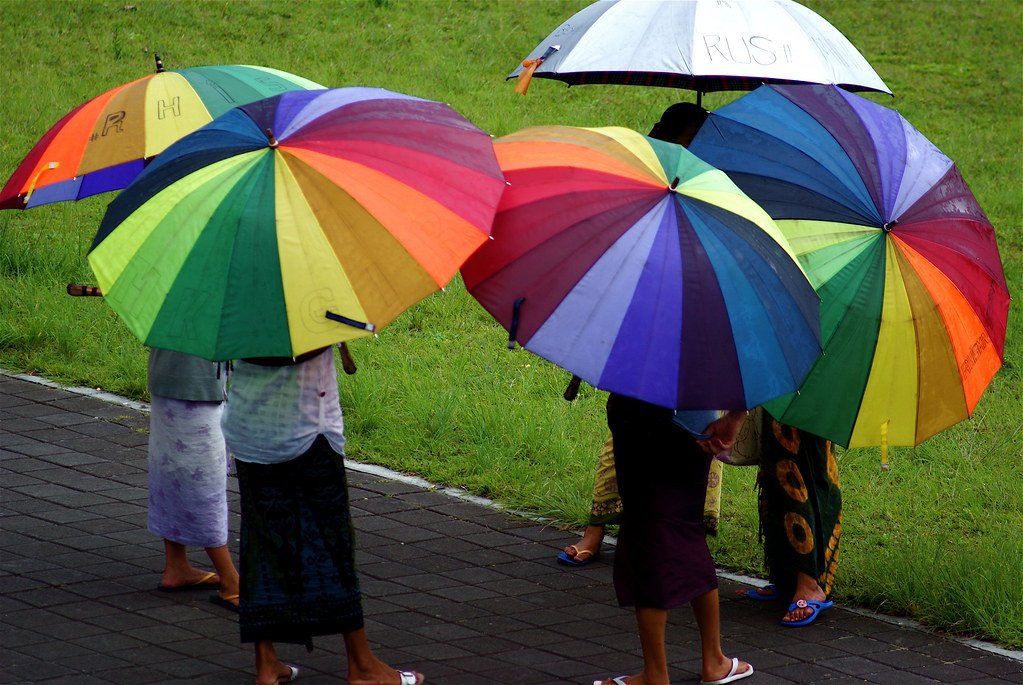
These rainfall patterns significantly impact daily activities. Outdoor adventures like hiking in Ubud’s monkey forest or exploring Tegalalang’s rice terraces require more flexible scheduling. While morning activities remain relatively dry, afternoon plans might need quick adjustments. Smart travelers pack lightweight, quick-drying rain gear and waterproof phone cases.
Regional rainfall isn’t uniform across Bali. The northern regions like Singaraja and Munduk tend to receive more consistent rainfall compared to the southern tourist areas. The central mountainous regions around Bedugul can experience even more dramatic precipitation, creating stunning, misty landscapes that photographers dream about.
Temperature remains relatively stable even during wet months, maintaining the comfortable 24-32°C range. The primary difference is increased humidity and occasional intense rain showers that can last a few hours before clearing to reveal Bali’s breathtaking landscapes.
💡 Pro Travel Strategy: If visiting during wet season (November-March), plan indoor/cultural activities for afternoons and outdoor explorations for mornings when weather is typically clearer and more predictable.
Ultimately, Bali’s climate offers something magical in every season. Whether you’re chasing perfect beach days during the dry season or embracing the lush, dramatic landscapes of the wet season, understanding these nuanced weather patterns ensures a memorable 2025 Balinese adventure.
Frequently Asked Questions About Bali Travel
Q: What is the Best Month to Travel to Bali?
A: The best month to travel to Bali is typically during the dry season, which runs from April to October. During these months, you’ll experience minimal rainfall, sunny skies, and ideal conditions for beach activities and outdoor exploration. The peak tourist season falls between July and August, offering perfect weather but also attracting larger crowds. If you prefer a balance between good weather and fewer tourists, consider visiting in May, June, or September.
Q: What Month is Crowded in Bali?
A: July and August are the most crowded months in Bali, coinciding with the peak tourist season and summer holidays in many Western countries. During these months, popular destinations like Seminyak, Kuta, and Ubud experience significantly higher tourist volumes, leading to increased prices for accommodation and potentially more crowded attractions. European and Australian tourists primarily contribute to this peak season, making advance booking crucial if you plan to visit during these months.
Q: What is the 6 Month Rule in Bali?
A: The 6-month rule in Bali refers to passport validity requirements for entering Indonesia. Travelers must have a passport that is valid for at least 6 months beyond their planned date of entry into the country. This means if you’re planning to visit Bali in December, your passport should be valid until at least June of the following year. This regulation is strictly enforced, and travelers with passports not meeting this requirement may be denied entry at immigration.
Q: What is the Rainiest Month in Bali?
A: January is typically the rainiest month in Bali, marking the peak of the wet season which runs from October to April. During this month, you can expect frequent and sometimes heavy rainfall, with precipitation levels often reaching 250-300mm. While rain can be intense, it usually comes in short bursts, and the temperature remains warm. Travelers visiting during this period should be prepared with rain gear and flexible travel plans, as some outdoor activities might be limited by weather conditions.