Bali’s Electrical System: The Basics
Traveling to Bali means preparing for a unique electrical environment that’s different from what you might be used to back home. Your electronic devices will need specific adapters and understanding to work safely and effectively across the island.
Voltage and Frequency Standards
Bali operates on a 230V electrical system running at 50Hz frequency, which significantly differs from electrical standards in countries like the United States. This higher voltage means travelers from North America must be especially cautious about device compatibility.
The standard 230V supply requires careful consideration for electronic devices. Laptops, smartphone chargers, and most modern electronics typically handle this voltage range automatically through built-in transformers. However, older or specialized equipment might require explicit voltage converters to prevent potential damage.
💡 Pro Tip: Always check the small print on your device’s power adapter. If it says “100-240V”, you’re safe to use it directly in Bali without a voltage converter.
Plug Types Used in Bali
Two primary plug types dominate Bali’s electrical landscape: Type C (Europlug) and Type F (Schuko). Understanding their specifications is crucial for seamless device charging.
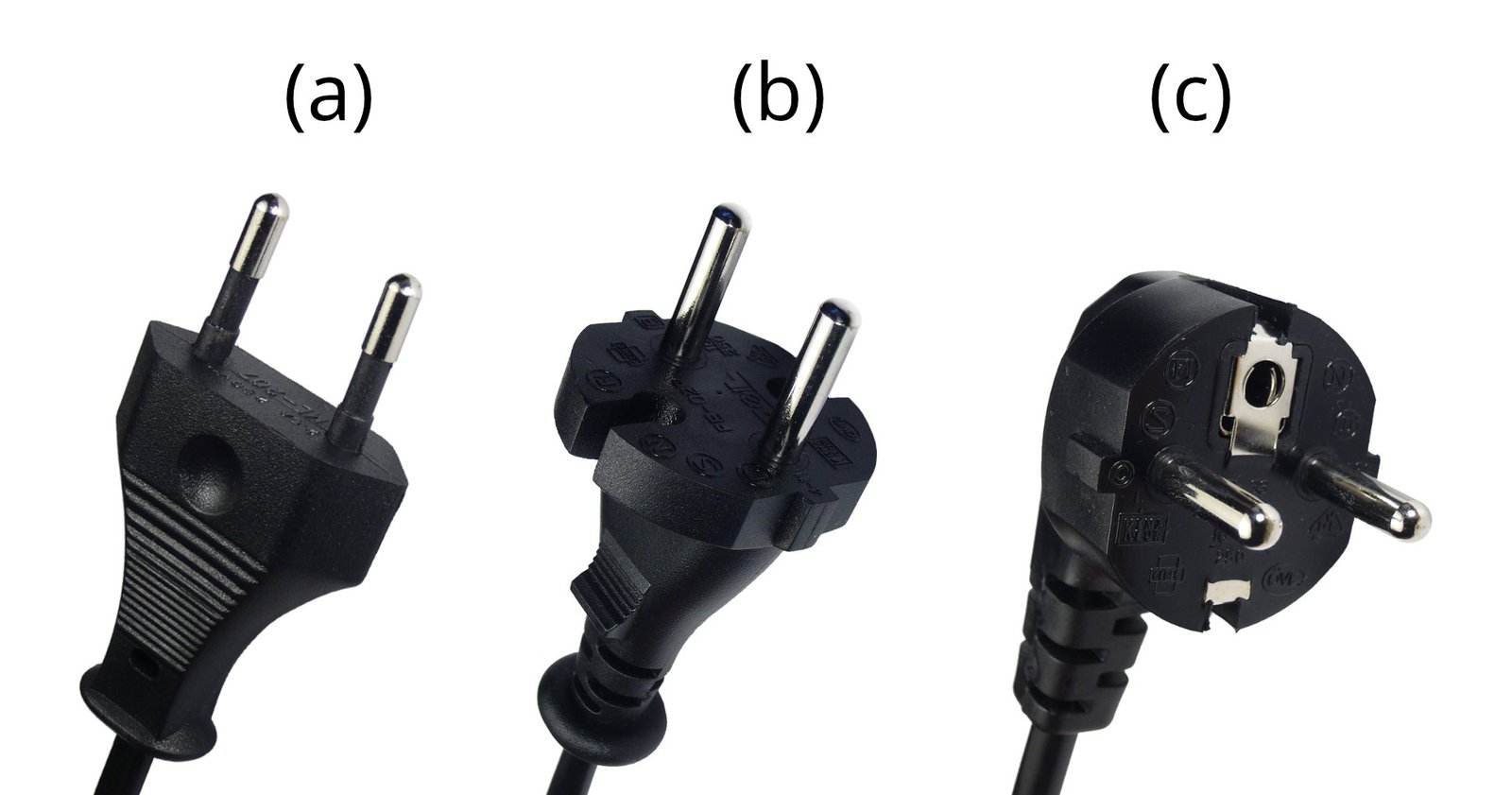
- Type C (Europlug):
- Two round pins, 4-4.8mm in diameter
- Typically used for low-power devices like phone chargers
- Maximum current capacity of 2.5 amps
- Compatible with most European-style outlets
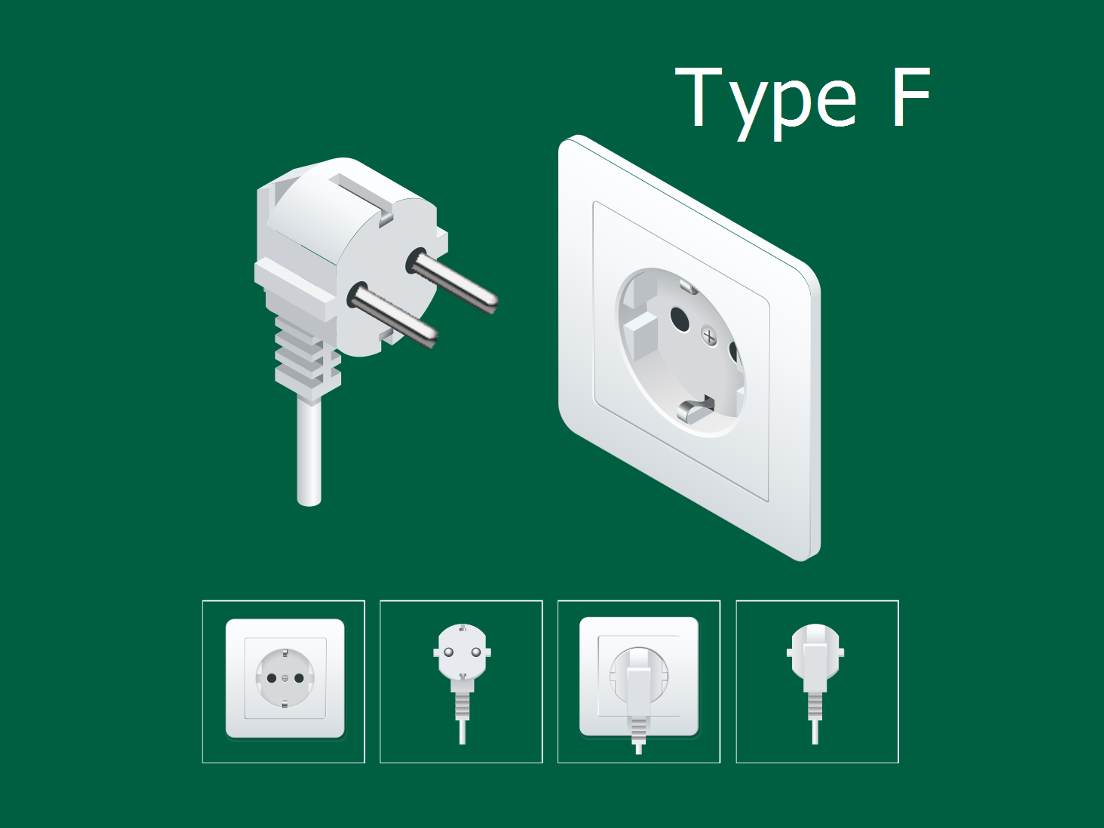
2. Type F (Schuko):
- Two round pins with additional side grounding clips
- Higher 16-amp capacity
- Better for power-intensive devices like laptops and camera chargers
- Most common in high-end hotels and modern accommodations
| Plug Type | Pin Configuration | Recommended Devices |
|---|---|---|
| Type C | Two round pins | Smartphones, Tablets, Small Chargers |
| Type F | Two round pins with side grounding | Laptops, Cameras, Larger Electronics |
Practical Advice: Bring a universal travel adapter that supports both Type C and Type F plugs. Brands like Belkin or Anker offer reliable multi-country adapters typically priced between $20-35 USD in 2025.
💡 Pro Tip: Pack a power strip with USB ports. This allows you to charge multiple devices simultaneously and reduces the number of adapters you’ll need.
By understanding Bali’s electrical ecosystem, you’ll ensure your devices stay charged and protected throughout your island adventure.
Frequently Asked Questions
Q: What Plug Adapter Do I Need for Bali?
A: For travelers visiting Bali from the United States, you will need a Type C or Type F plug adapter. Indonesia uses 230V electrical systems with a standard frequency of 50 Hz, which differs from the US standard. Most power outlets in Bali are two-pronged and compatible with European-style round pin plugs. It’s recommended to bring a universal travel adapter that supports multiple plug types to ensure you can charge your devices without complications.
Q: What Adapter Do I Need for Bali from the US?
A: When traveling from the US to Bali, you’ll require an adapter that converts US flat-pronged plugs to Indonesian round-pin plugs (Type C/F). The voltage in Bali is 230V, which is higher than the US standard of 120V, so it’s also advisable to use a voltage converter for sensitive electronic devices. Many modern electronics like smartphones and laptops have built-in voltage converters, but double-check your device specifications to prevent potential damage.
Q: Does Bali Use US Plugs?
A: No, Bali does not use US-style electrical plugs. The standard plug types in Bali are Type C and Type F, which feature round pins different from the flat pins used in the United States. Travelers from the US will need to bring a compatible plug adapter to ensure their electronic devices can be charged safely and effectively during their stay in Bali.