Understanding Bali’s Coffee Heritage and Production
Bali’s coffee isn’t just a beverage; it’s a cultural narrative deeply rooted in volcanic landscapes and generational farming traditions. While global coffee rankings often highlight Ethiopian or Colombian beans, Balinese specialty coffee – particularly from the Kintamani Highlands – represents a truly exceptional agricultural microcosm that coffee enthusiasts must experience.
Kintamani Highlands: Bali’s Coffee Heart
The Kintamani region surrounding Mount Agung represents the pinnacle of Balinese coffee production. Volcanic soil here creates a unique terroir that distinguishes local coffee from global competitors. Farmers in this region benefit from mineral-rich volcanic sediments that provide extraordinary nutrient density to coffee plants.
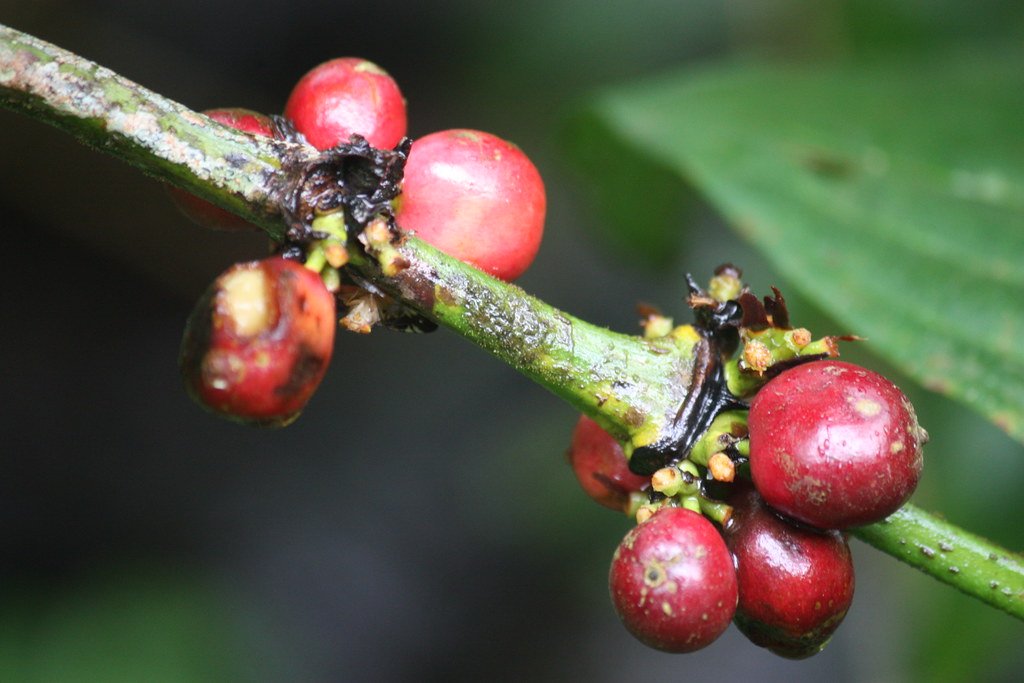
The harvesting season, spanning May through October, represents a critical period for specialty coffee production. During these months, farmers meticulously hand-pick coffee cherries, ensuring only the most perfect specimens are selected. This labor-intensive process contributes to the exceptional quality of Kintamani coffee, which commands premium prices in specialty markets.
💡 Pro Tip: Visit during harvest season to witness traditional picking methods and potentially participate in coffee farm tours near Mount Agung.
Traditional vs Modern Coffee Processing
Balinese coffee processing represents a fascinating intersection of ancient techniques and contemporary quality control standards. Two primary processing methods dominate local production:
- Wet Processing (Washed Method):
- Removes fruit immediately after harvesting
- Produces cleaner, brighter flavor profiles
- Requires significant water resources
- Preferred by specialty coffee markets
- Dry Processing (Natural Method):
- Allows coffee cherries to dry with fruit intact
- Creates more complex, intense flavor notes
- Traditional method used by generational farmers
- Lower water consumption
Local farming communities play a pivotal role in maintaining these processing traditions. Cooperative systems ensure fair compensation and preserve cultural knowledge passed through generations of coffee farmers.
💡 Pro Tip: Look for “Single Origin Kintamani” labels to guarantee authentic Balinese coffee experience.
Global Coffee Context
While Bali produces exceptional coffee, it’s worth noting that global rankings typically highlight Ethiopian Yirgacheffe and Colombian Supremo as top-tier varieties. However, Balinese coffee offers a unique flavor profile that serious coffee enthusiasts increasingly recognize and appreciate.
Estimated 2025 Specialty Coffee Prices:
| Coffee Origin | Price per Pound (USD) |
|---|---|
| Balinese Kintamani | $18-25 |
| Ethiopian Yirgacheffe | $22-30 |
Travelers seeking an authentic coffee experience should plan their Bali visit during the May-October window, ensuring maximum engagement with local coffee culture and peak harvest conditions.
Frequently Asked Questions
Q: Is Luwak Coffee in Bali Ethical?
A: Luwak coffee, also known as civet coffee, raises significant ethical concerns in the coffee industry. Traditional production involves force-feeding civets and keeping them in cruel captivity, causing immense animal suffering. While some farms claim to use ‘wild-sourced’ methods, most operations exploit these small mammals, restricting their movement and natural behaviors. Ethical consumers are strongly advised to avoid purchasing Luwak coffee due to widespread animal welfare violations.
Q: What is Kopi Luwak and Why Shouldn’t You Drink It?
A: Kopi Luwak is a coffee made from coffee cherries processed through the digestive system of Asian palm civets, a small mammalian species native to Southeast Asia. The coffee is extremely controversial due to severe animal cruelty in its production, with most civet coffee farms maintaining inhumane conditions that severely compromise animal welfare. Additionally, the production methods often involve fake or artificially processed beans, making the product both unethical and potentially low quality.
Q: Why is Black Ivory Coffee $500 a Pound?
A: Black Ivory Coffee is an ultra-rare and expensive coffee produced in Thailand through a unique process involving elephants. Each pound requires massive quantities of coffee cherries and extensive processing, with elephants naturally digesting and fermenting the beans, which creates a uniquely smooth flavor profile. The extremely low production yield, labor-intensive collection process, and limited availability contribute to its astronomical price point, making it one of the world’s most expensive coffee varieties.
Q: What is the #1 Coffee in the World?
A: While coffee rankings can vary, Kona coffee from Hawaii is consistently considered among the world’s finest coffees. Grown on the volcanic slopes of Hawaii’s Big Island, Kona coffee is prized for its smooth, rich flavor, perfect growing conditions, and limited production. Other top-tier contenders include Jamaican Blue Mountain, Ethiopian Yirgacheffe, and Geisha coffee from Panama, each offering distinctive taste profiles and exceptional quality that coffee enthusiasts worldwide celebrate.