3 Most Current Bali Scams to Watch For in 2025
Bali’s stunning landscapes and warm hospitality can quickly turn sour if you fall victim to local scams. In 2026, travelers need to be more vigilant than ever, with sophisticated scam techniques targeting unsuspecting tourists across the island’s popular destinations.
1. Fake Scooter Damage Claims
Renting a scooter is a quintessential Bali experience, but it’s also a prime opportunity for unscrupulous rental operators to extract extra cash. The typical scam involves fabricating damage claims when you return the vehicle, demanding exorbitant repair fees around IDR 500,000 ($33) for scratches or minor dings that may not even exist.
💡 Pro Tip: Before riding off, conduct a meticulous 360-degree video inspection of the scooter. Photograph every single scratch, dent, or existing damage. Use your smartphone’s timestamp feature to ensure the documentation is dated and credible.
Legitimate scooter rentals in Bali typically cost $5-7 per day in 2025. Protect yourself by:
- Renting from reputable businesses with clear online reviews.
- Choosing hotels or guesthouses with trusted rental partnerships.
- Never leaving your passport as collateral – use a photocopy or cash deposit instead.
2. Rigged Money Exchange Rates
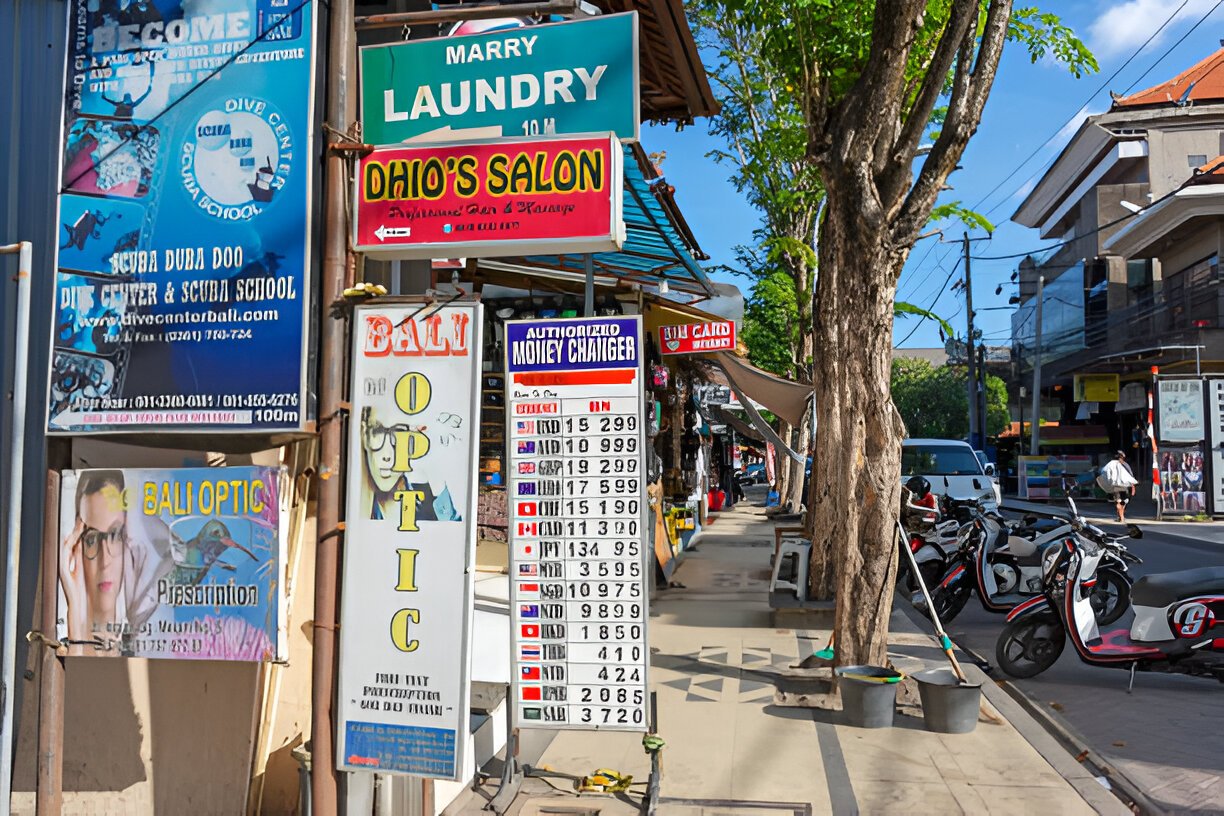
Currency exchange in Bali can be a minefield of potential fraud. Unscrupulous money changers use sophisticated tricks to shortchange unsuspecting tourists, including:
- Calculator manipulation
- Sleight of hand during counting
- Offering seemingly attractive initial rates
💡 Pro Tip: Only use authorized money changers displaying official QR codes and government licensing. Avoid street-side exchanges or those with rates that seem “too good to be true”.
| Safe Exchange Location | Risk Level |
|---|---|
| Bank-affiliated exchanges | Low Risk |
| Airport official counters | Medium Risk |
| Street exchangers | High Risk |
👉 Read Money in Bali for more information
3. Fake Driver and Transport Overcharging
Transportation scams remain prevalent in 2025, with unofficial taxi operators and drivers employing multiple tactics to inflate prices. During wet season (October-April), expect transport rates to increase by 15-25% compared to dry season pricing.
Key strategies to avoid transport scams:
- Use verified apps like Grab or Gojek for transparent pricing.
- Negotiate airport transfer rates in advance.
- Always confirm the total price before starting your journey.
The most common airport transfer scam involves drivers claiming “special rates” or inventing additional fees mid-journey. Protect yourself by:
- Booking through your hotel
- Using official airport taxi counters
- Agreeing on a fixed price beforehand
By staying informed and vigilant, you’ll navigate Bali’s transportation landscape confidently and avoid unnecessary financial surprises.
Frequently Asked Questions About Bali Scams
Q: How Not to Get Scammed in Bali?
A: To avoid scams in Bali, always remain vigilant and trust your instincts. Research common tourist traps before traveling and keep your personal belongings secure at all times. Use licensed tour operators, negotiate prices upfront, and be cautious of unsolicited offers from strangers. Always verify the authenticity of services and maintain a healthy skepticism when deals seem too good to be true.
Q: What Are 5 of the Most Current Scams?
A: The top five current scams in Bali include taxi overcharging, fake tour guides, counterfeit transportation services, rigged rental equipment schemes, and elaborate friendship/romance scams targeting tourists. Unscrupulous taxi drivers might manipulate meters or refuse to use standard pricing, while fake tour guides might offer seemingly attractive but ultimately fraudulent services. Rental equipment scams often involve hidden damage charges or inflated repair costs.
Q: What Should You Beware of in Bali?
A: In Bali, travelers should be particularly cautious of unsolicited transportation services, overly friendly strangers offering deals, and unofficial exchange services. Be wary of individuals proposing instant friendships or romantic connections, as these can often be elaborate confidence tricks. Always verify credentials, use official transportation services, and avoid sharing too much personal information with unknown individuals.
Q: What Are Common Scammer Phrases?
A: Common scammer phrases in Bali include ‘Special discount just for you’, ‘My friend price’, and ‘Trust me, I know best’. Scammers might also use emotional manipulation tactics like claiming financial hardship or creating artificial urgency. Be especially alert to phrases that pressure you into making immediate decisions or seem designed to bypass your natural skepticism.